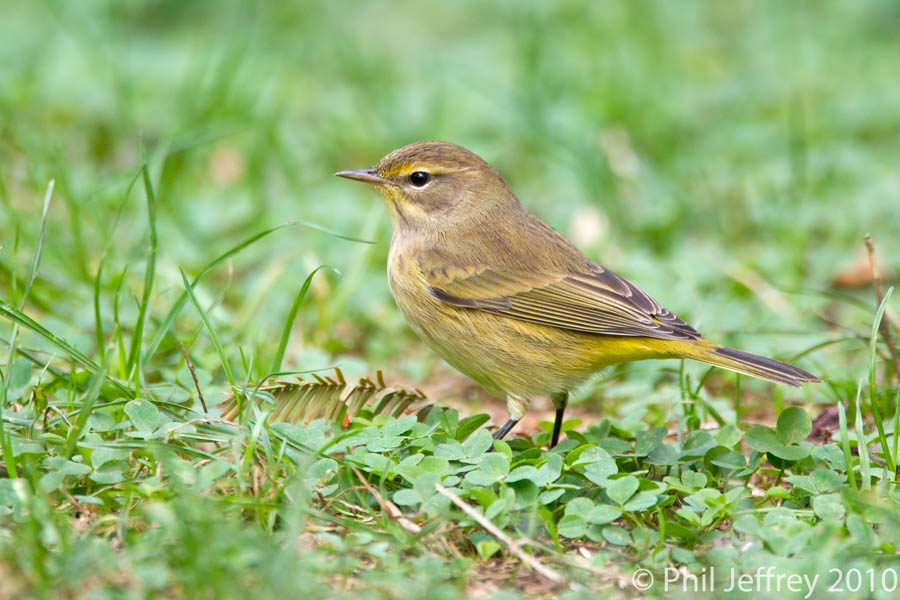
Showing posts with label Fall migration. Show all posts

Monday, September 16, 2013

Central Park, Sept 14th and 15th (total 19 warbler sp + chat, BB Cuckoo)

I think the whole radar migration prediction thing is over-hyped as a useful tool for local birding, so I tend to use the standard method of wind direction and temperature.  So after arriving back in NJ from CA to 94 degree afternoon heat, the alarm bells went off when the highs over the weekend were in the low 70's, backed by a north-west wind.  More-or-less ideal conditions.

Bit of a shock, therefore, when I entered Strawberry Fields and there was barely any chipping.  30 minutes later and it was alive with migrants and in a hour I accumulated what is a very good day's warbler list (16 sp.) including Tennessee, Bay-breasted and Blackburnian.  Black-billed Cuckoo, two Olive-sided Flycatchers and a Chat in the Maintenance Field made for a pretty good day.  However I missed the Connecticut Warbler by scant seconds, and someone didn't look up enough and missed the expected large Broad-winged Hawk flight.

Sunday was quieter, but still many good birds in Strawberry Fields including Bay-breasted Warbler foraging in the grass right in front of me (along with Black-throated Greens).  A change in the mix of warbler species indicated that the second flight was new birds arriving.

Overall I netted 19 warbler species in two mornings, some decent birds (Yellow-bellied Flycatcher was a year bird), and finally saw some Broad-winged Hawk migration on the Sunday.  Conspicuously missing were any Kinglets or any sparrows (excl House), it's still ramping up.

Broad-winged Hawk (Sun)
Osprey (Sun)
Black-billed Cuckoo (Sat, Maint)
Chimney Swift
Ruby-throated Hummingbird (several both days)
Eastern Wood-Pewee
Olive-sided Flycatcher (two in Maint on Sat)
Least Flycatcher (Sat, poss Sun)
Yellow-bellied Flycatcher (Sun in SF)
Great Crested Flycatcher
Blue-headed Vireo
Warbling Vireo
Red-eyed Vireo
House Wren
Carolina Wren
Blue-gray Gnatcatcher
Swainson's Thrush
Veery (Sat)
Wood Thrush (Sat)
Gray Catbird
Brown Thrasher (Sun)
Cedar Waxwing (large flocks both days)
Ovenbird (only 1, both days)
Black-and-white Warbler
Tennessee Warbler (3+, both days)
Nashville Warbler (1, Sun, SF)
Common Yellowthroat
American Redstart
Cape May Warbler (1, Maint, both days)
Northern Parula
Magnolia Warbler
Bay-breasted Warbler (both days, very cooperative in SF on Sunday)
Blackburnian Warbler (SF, Sat)
Yellow Warbler (SF, Sat)
Chestnut-sided Warbler (Sat)
Blackpoll Warbler
Black-throated Blue Warbler
Pine Warbler (3+ in SF on Sat)
Black-throated Green Warbler
Canada Warbler (SF)
Wilson's Warbler (SF on Sat)
Yellow-breasted Chat (elusive, Maint on Sat)

Monday, October 15, 2012

Central Park, Fri/Sat/Sun, Oct 12-14th

The best migration day was the Saturday, by far, but there was useful birding on the day before and the day after the large migrant movement.   On Saturday there was a huge influx of late fall birds like Yellow-rumped Warblers (abundant) and Hermit Thrushes (numerous) as well as fairly good numbers of other late fall birds like Winter Wren, Eastern Phoebe, both kinglets, Song Sparrow.  On all three days the number of other warblers were somewhat low - Palm Warblers put in a decent showing but other species were in ones and twos.

All three days had the ongoing Red-breasted Nuthatch invasion with a couple of them found repeatedly in the hemlocks near Belvedere Castle and others turning up all over the Ramble.   Pine Siskins put in an appearance on Sat and Sun with one perching on a camera lens right next to me on Saturday, and a flock of 15 alighting briefly in Strawberry Fields on Sunday.  I saw or heard multiple Purple Finches on all three days.

Friday: low-ish numbers with the best bird being a cooperative Lincoln's Sparrow - no longer a rare bird in the park but still never numerous and the first one I'd seen all year.  Tanner's Spring was the most active on this the least voluminous day with Swainson's Thrush and Gray-cheeked Thrush seen there.  Warblers: Yellow-rumped, Palm, Blackpoll, Magnolia, American Redstart, Common Yellowthroat.

Saturday: amongst the Yellow-rumped, which were literally everywhere, the best bird was a Mourning Warbler (immature, likely female) which was near the Tupelo tree.  This unfortunate bird turned out to have only one leg with no trace of a second leg - either a birth defect or an injury that happened a very early in life and completely healed.  It seemed to feed OK, albeit awkwardly, and otherwise was in good feather condition.  My first Mourning of the year.  Another unfortunate bird was an American Woodcock which was handed to the Parks Dept - it did not seem inclined/capable of flying so the attempted release near the MOWA location was abandoned and the bird picked up again.  Woodcocks suffer a fair amount of attrition through building collisions on migration. Warblers: ubiquitous Yellow-rumped, Palm, Blackpoll, Black-throated Green, Black-throated Blue, Northern Parula, Common Yellowthroat, Mourning.  Perversely I found some species to be less numerous: Eastern Towhee and Yellow-bellied Sapsucker.

Sunday: a lot of residual birds from the previous day's big migration, held in place by the southerly wind direction.  The Mourning Warbler was still present, many Yellow-rumped Warblers persisted and it was really a scaled-down version of the previous day.  Warblers: Yellow-rumped, Palm, Blackpoll, Black-throated Green, Black-throated Blue, Northern Parula, Common Yellowthroat, Mourning.  An adult Cooper's Hawk was vocalizing at an immature Red-tailed Hawk that was sitting in the low canopy in the Ramble - I wasn't sure if this was one of the two rehab Red-tailed that were released nearby on Saturday, but clearly the Cooper's was not at all happy that the Red-tailed was working the same territory.

Not a bad three days, mostly in terms of volume rather than diversity, which is showing the usual drop-off for late fall.  Commuting into Manhattan via the more-inept-than-usual NJ Transit had its upsides on Friday and Saturday since attendees of Comic-Con trekking through Penn Station were sometimes dressed in superhero outfits - memorably including one woman I was following who was dressed up as the John Candy character in Spaceballs (the Wookie parody) complete with tail.  See: short NYTimes video on the convention.  On Sunday I only saw a single person dressed up as part of the Borg, almost a let-down.


Monday, October 1, 2012

Central Park Sept 29th and 30th

As the month drew to a close a north wind lured me into the park for both days on the weekend.  It's not a bad point to take stock of what appears to be a slightly later fall migration - in particular I've seen very few Ruby-crowned Kinglets so far and no Golden-crowned despite the date and it has been a month with no really cool days to push birds south.  There has been a switch over to a mix with later species: Blue-headed Vireo being seen on Sat and Eastern Phoebe's being around for a while.  There were quite a few Palm Warblers on Saturday, Eastern Towhees have become easier to find, and there was clearly some sparrow movement on Saturday - many of them had moved on by Sunday.  A few Black-capped Chickadees were seen early on Sunday - you would think this was a species that would do rather better in the park than it actually does, and sightings of them get pretty sparse before the population gets filled out during the invasion years.  Tufted Titmice seemed more numerous than usual, which made me suspect they'd been migrating as well.

Heavy overcast made things a little tough going on Saturday, which was apparently the better migration day but still quite patchy - Sunday it appeared that most of the migrants had left.  Saturday was also accompanied by the sound-testing that preceded the mammoth free concert scheduled for the Great Lawn at 5pm and led me to exit the park sooner rather than later.  On Saturday interesting birds were reported from various locations: Summer Tanager, Grasshopper Sparrow and we had a Marsh Wren in the Maintenance Field.  Marsh Wren is probably about as rare in the park as Connecticut Warbler but has none of the cache of the latter since Marsh Wren breeds all over the place coastally.  It did play the Connecticut trick of vanishing after the initial sighting.  Sunday was sunnier but also quieter from the migration perspective but a female-type Hooded Warbler was a nice bonus.  The last two weeks of the month are fairly typical for Hooded Warbler migration but this is starting to get close to my latest-ever fall Hooded date (Oct 3rd 2000)

Sat:

Cooper's Hawk                          
Chimney Swift                          
Ruby-throated Hummingbird              
Yellow-bellied Sapsucker               
Hairy Woodpecker                       
Northern Flicker                       
Eastern Wood-Pewee                     
Eastern Phoebe                         
Blue-headed Vireo                      
Red-eyed Vireo                         
Blue Jay                               
Red-breasted Nuthatch                  
Marsh Wren                             
Swainson's Thrush                      
Wood Thrush                            
Gray Catbird                           
Brown Thrasher                         
Cedar Waxwing                          
Ovenbird                               
Black-and-white Warbler                
Common Yellowthroat                    
American Redstart                      
Northern Parula                        
Blackpoll Warbler                      
Black-throated Blue Warbler            
Palm Warbler                           
Black-throated Green Warbler           
Eastern Towhee                         
Song Sparrow                           
Swamp Sparrow                          
White-throated Sparrow                 
Scarlet Tanager                        
Rose-breasted Grosbeak                 
Indigo Bunting                         
Common Grackle                         
American Goldfinch                     

Sun:

Ruby-throated Hummingbird              
Belted Kingfisher                      
Yellow-bellied Sapsucker               
Downy Woodpecker                       
Northern Flicker                       
Eastern Wood-Pewee                     
Eastern Phoebe                         
Red-eyed Vireo                         
Black-capped Chickadee                 
Red-breasted Nuthatch                  
House Wren                             
Carolina Wren                          
Swainson's Thrush                      
Wood Thrush                            
American Robin                         
Gray Catbird                           
Brown Thrasher                         
Cedar Waxwing                          
Black-and-white Warbler                
Hooded Warbler                         
American Redstart                      
Northern Parula                        
Magnolia Warbler                       
Blackpoll Warbler                      
Black-throated Blue Warbler            
Palm Warbler                           
Yellow-rumped Warbler                  
Eastern Towhee                         
White-throated Sparrow                 
Scarlet Tanager                       
Rose-breasted Grosbeak                 

Tuesday, September 25, 2012

Central Park Sept 22nd and 23rd

Modest migration through the park on Sat and Sun provided some nice species although less than epic numbers.  Red-breasted Nuthatches continued to move, the first White-throated Sparrows cropped up in low numbers.  Hummingbirds seen both days but only a light raptor movement.  A male Hooded Warbler was seen both days but the star of the weekend was unquestionably an immature Connecticut Warbler that was seen around the Tupelo tree and provided elusive but repeated views as it walked quickly through the undergrowth.  Walking, of course, being one of the diagnostic things.  The eye ring was prominent but not huge and broken at the rear of the eye - not at all unusual for a first fall bird.  This was my first one for the year and not an easy bird to find initially - I'd also missed the previous sightings of Connecticut in what appears to have been a decent fall for them.


Sat:
Cooper's Hawk                          
Chimney Swift                          
Ruby-throated Hummingbird              
Belted Kingfisher                      
Northern Flicker                       
Eastern Wood-Pewee                     
Least Flycatcher                       
Eastern Phoebe                         
Red-eyed Vireo                         
Red-breasted Nuthatch                  
Veery                                  
Swainson's Thrush                      
Wood Thrush                            
American Robin                         
Gray Catbird                           
Brown Thrasher                         
Cedar Waxwing                          
Ovenbird                               
Black-and-white Warbler                
Nashville Warbler                      
Common Yellowthroat                    
Hooded Warbler                         
American Redstart                      
Northern Parula                        
Magnolia Warbler                       
Blackpoll Warbler                      
Black-throated Blue Warbler            
White-throated Sparrow                 
Scarlet Tanager                        
Rose-breasted Grosbeak                 
Indigo Bunting                         
Baltimore Oriole                      

Sun:
Osprey                                 
Mourning Dove                          
Yellow-billed Cuckoo                   
Chimney Swift                          
Ruby-throated Hummingbird              
Northern Flicker                       
Eastern Wood-Pewee                     
Least Flycatcher                       
Great Crested Flycatcher               
Red-eyed Vireo                         
Red-breasted Nuthatch                  
White-breasted Nuthatch                
House Wren                             
Veery                                  
Swainson's Thrush                      
Gray Catbird                           
Brown Thrasher                         
Ovenbird                               
Black-and-white Warbler                
Connecticut Warbler                    
Common Yellowthroat                    
Hooded Warbler                         
American Redstart                      
Northern Parula                        
Magnolia Warbler                       
Blackpoll Warbler                      
Black-throated Blue Warbler            
Palm Warbler                           
White-throated Sparrow                 
Scarlet Tanager                        
Rose-breasted Grosbeak                 
Indigo Bunting                         
American Goldfinch                     

Monday, September 17, 2012

Central Park Sept 15th and 16th

The front passed too late in the night to make Saturday a good migration day and so birding was extremely patchy.  Strawberry Fields was extremely slow, the Ramble a little better, but excitement came in the form of an Eastern Whip-poor-will found in the Ramble.  This is the first one I've seen in CPK in quite a few years (spring 2004 was the last), and also the first one in fall.  Based on pointed tail feathers it appeared to be an immature bird.  While watching the nightjar other good birds of the day were Cape May Warblers (possible ad. female and imm. male) and a Least Flycatcher.  The final icing was the ongoing American Bittern at Turtle Pond - I almost missed it until it flew across the pond to the island just as I turned to leave.  This is only my second Bittern in the park (last: in April 2004).  Other migrants included Eastern Wood-Pewee, Great Crested Flycatcher, Scarlet Tanager and only three other species of warbler (American Redstart, Black-and-white Warbler, Common Yellowthroat).

As of Monday morning the Whip-poor-will reappeared in the same tree - I'm pretty confident that this is the first time anyone's refound a bird like that in the same roosting spot in the park.


On Sunday migrant volume was better, although still not spectacular and the initial stop at Strawberry Fields included my first Red-breasted Nuthatch for the year - a bird that had been tormenting me.  There was also a start of a change-over in warbler species: Black-throated Green, Blackpoll and a Ruby-crowned Kinglet being evidence of that.  Swainson's Thrushes were numerous but Cedar Waxwings were putting up the best migrant numbers in the park with multiple flocks moving through places like the Maintenance Field while I was there.  A decent raptor flight occurred in the morning with multiple Broad-winged Hawks and an Osprey.  I also had my first White-throated Sparrows of fall.  The American Bittern remained at Turtle Pond, this time giving good views while hunting on the north side of the island.  Despite its persistence here it's a pretty rare bird in Central Park, actually a rarer sighting than the Connecticut Warbler that evaded me in the Ramble later that morning.


Tuesday, September 11, 2012

9/11 in Central Park

Those of us that were birding Central Park on 9/11/01 are never going to forget that experience, nor what followed.  There's a tendency to mark the anniversary by doing the same thing again - looking for fall migrants in the Ramble.  However the motivation for birding today was more weather-driven than anniversary-driven.

9/11/01 was the "first good migration day of fall" with the wind out of the north, which blew the ash from the WTC site away from the park until the wind changed two days later.  That wind carried quite a decent number of migrants with it.  9/11/12 also had a north-west wind and cool overnight temperatures but the results were not as dramatic bird-wise or in any other way.

The biggest movement of migrants today were the multiple flocks of Cedar Waxwings moving around the park.  Actual warblers were a little more scarce and I came up with a mere handful of them: Northern Parula; Magnolia Warbler; Black-throated Blue Warbler; Black-and-white Warbler; American Redstart; Canada Warbler; Common Yellowthroat.  Red-eyed and Warbling Vireos were around, and the Warblings were still singing, as they have been over the last few trips to CPK.  The best birds that I saw today were Broad-winged Hawks - a heavily marked immature over the Lake, adults and lightly marked immatures over the Ramble and one pale immature sitting in plain view in the Ramble until it finally flew out mid-morning.  Most or all of these birds had clearly roosted in the park overnight because they were seen at low altitude.  I've never seen one actually roosting in the park before.  The hummingbird movement continued with at least one and probably more through the Maintenance Field - the Central Park Conservancy have numerous Cardinal Flower plantings within the Ramble which are often used as a food source by hummingbirds.  I continue to miss Red-breasted Nuthatches despite hearing them in two locations in the park - I might have seen the ones near Azalea Pond but they did not stick around and fell silent.

Nevertheless a slightly lackluster migration day given the north wind overnight.

What follows is the list from 9/11/01.  I keep my sightings stored in HTML format and this is part of my Sightings2001 file.

Northern Flicker
Red-eyed, Philadelphia Vireo   
Black-capped Chickadee
Red-breasted Nuthatch
Carolina Wren
Veery, Swainson's, Wood Thrush
Cedar Waxwing
Chestnut-sided Warbler
Northern Parula
Nashville, Magnolia Warbler
Black-throated Blue Warbler
Blackpoll, Yellow-rumped Warbler
Black-throated Green Warbler
Black-and-white Warbler
American Redstart
Ovenbird, Northern Waterthrush
Wilson's Warbler
Common Yellowthroat
Rose-breasted Grosbeak
Baltimore Oriole

Wednesday, October 5, 2011

Central Park Oct 5th

Trying to leverage a "spare" morning w/o meetings and some pro-migration weather I went into Central Park on Weds morning and found moderate but not spectacular migration. Warbler numbers were not epic, but there was a decent amount of sparrow movement including three Lincoln's Sparrows. Some time spent at the Maintenance Field didn't yield the Chat, but I did have a fly-over Common Nighthawk which is somewhat of a novelty. The Eastern Wood-Pewee I saw in Strawberry Fields is getting late-ish but my late dates are 10/18/03, 10/16/05 - however for most years this would be my late date for Pewee.

There was a small flock of Golden-crowned Kinglets in Strawberry Fields, Yellow-bellied Sapsucker and Hermit Thrush elsewhere - more in tune with late fall migration. I also saw two flocks of migrating Canada Geese that headed over the city to NJ, and three migrating Turkey Vultures.

Double-crested Cormorant
Turkey Vulture (3, seen well to south)
Gadwall
Red-tailed Hawk
Peregrine Falcon
Chimney Swift
Common Nighthawk (Maint. Field)
Yellow-bellied Sapsucker
Northern Flicker
Eastern Wood-Pewee (Strawberry Fields)
Eastern Phoebe
Blue-headed Vireo
Red-eyed Vireo
White-breasted Nuthatch
House Wren
Winter Wren
Golden-crowned Kinglet
Ruby-crowned Kinglet
Veery
Swainson's Thrush
Hermit Thrush (multiple)
Wood Thrush
Gray Catbird
Brown Thrasher
Cedar Waxwing
Nashville Warbler
Northern Parula
Magnolia Warbler
Black-throated Blue Warbler
Yellow-rumped Warbler
Black-throated Green Warbler
Palm Warbler
Blackpoll Warbler
Black-and-white Warbler
Common Yellowthroat
Eastern Towhee
Field Sparrow (Oven)
Song Sparrow
Lincoln's Sparrow (Maint. Field, Azalea Pond)
Swamp Sparrow
White-throated Sparrow
Baltimore Oriole (Maint. Field)

Sunday, October 2, 2011

Central Park Oct 2nd

A repeat performance on Sunday morning showed signs of much slow migration. In particular the surface winds had shifted toward the east, and I only had 3 warbler sp. in Strawberry Fields when I started there an hour later than Saturday. The flight of Blue Jays was replaced by a small one of Northern Flickers and the hawk flight was minimal in the contrary winds.

The Maintenance Field was again the best place, with the continuing Chat and other warblers bringing it up to a total of 12 sp although in lower numbers than Saturday and there was also a visit by a Yellow-billed Cuckoo - I've actually seen more Black-billed than Yellow-billed this year.

Sharp-shinned Hawk
Yellow-billed Cuckoo
Chimney Swift
Empidonax Flycatcher sp. (Yellow-bellied?)
Eastern Phoebe
Blue-headed Vireo
Red-eyed Vireo
Tree Swallow
Carolina Wren
Ruby-crowned Kinglet
Gray-cheeked Thrush
Swainson's Thrush
Wood Thrush
Gray Catbird
Brown Thrasher
Cedar Waxwing
Nashville Warbler
Northern Parula
Chestnut-sided Warbler
Magnolia Warbler
Black-throated Green Warbler
Palm Warbler
Blackpoll Warbler
Black-and-white Warbler
American Redstart
Ovenbird
Common Yellowthroat
Yellow-breasted Chat
Scarlet Tanager
Eastern Towhee
Song Sparrow
White-throated Sparrow
Rose-breasted Grosbeak
Indigo Bunting

Saturday, October 1, 2011

Central Park Oct 1st

With favorable conditions for migration I made it to Central Park via the absurdly early 0612 train out of Princeton Jct and was rewarded by a pretty decent movement of warblers in Strawberry Fields where I racked up 9 species in the space of half an hour. There was an obvious good movement of Blue Jays with me seeing over a hundred in various flocks during the day.

Most other areas were quiet, but the Maintenance Field held a Yellow-breasted Chat that was mostly skulking, and also was a good observation point for a decent hawk migration - mostly Sharp-shinned Hawk (10+) but also several Cooper's Hawk, American Kestrel, Osprey, Peregrine and one likely Merlin. Gadwall and Solitary Sandpiper were on Turtle Pond.

The Chat was the first one of the year for me (and likely the last).

A lack of Kinglets and Sapsuckers made me think that there was a decent amount of fall migration still to come, even if it was October 1st.

Double-crested Cormorant
Great Blue Heron
Black-crowned Night-Heron
Gadwall
Osprey
Sharp-shinned Hawk
Cooper's Hawk
American Kestrel
Peregrine Falcon
Solitary Sandpiper
Chimney Swift
Northern Flicker
Empidonax sp (Acadian-ish and Yellow-bellied-ish)
Eastern Phoebe
Blue-headed Vireo
Red-eyed Vireo
Blue Jay
House Wren
Swainson's Thrush
Wood Thrush
Gray Catbird
Cedar Waxwing
Nashville Warbler
Northern Parula
Chestnut-sided Warbler
Magnolia Warbler
Black-throated Blue Warbler
Yellow-rumped Warbler
Black-throated Green Warbler
Palm Warbler
Blackpoll Warbler
Black-and-white Warbler
Northern Waterthrush
Common Yellowthroat
Yellow-breasted Chat
Scarlet Tanager
Eastern Towhee
Swamp Sparrow
White-throated Sparrow
Rose-breasted Grosbeak
Indigo Bunting

Sunday, September 25, 2011

Central Park 9/25 (Cuckoos, Tennessee)

Quite a slow start in Strawberry Fields, where I learnt that early in the morning a Mississippi Kite had been seen overhead by Peter Post. However migrant activity was extremely patchy in the initial overcast of the day. Wandering into the Ramble I got a #cpkbirds tweet about a Yellow-billed Cuckoo at the Upper Lobe and went over to check it out. The lone willow tree was quite active with multiple Rose-breasted Grosbeaks and Gray Catbirds, a few Swainson's Thrushes, Pewee and Phoebe. There were also one or two warblers including the lone Northern Waterthrush for the day. Being there for a while I saw a cuckoo fly down the Upper Lobe and assumed it was the Yellow-billed. However some time later a Black-billed Cuckoo flew into the willow, and gave quite a few people good looks especially when it was out on a sunny rock on the other side of the lobe.

From the Upper Lobe I went to the Maintenance Field which also was moderately active. After a few minutes I found another Black-billed Cuckoo - this must have been quite a good Cuckoo day since Yellow-billed were also reported from these same areas earlier. Here I also picked up migrating raptors: Osprey and Sharp-shinned Hawk, although that activity was slow. A few Monarch Butterflies were migrating. While here I "heard" of a third hand report of Tennessee and Connecticut Warblers in some vaguely defined area "near Tupelo". I elected to stay and do a little hawk watching since it had been a long while since I had seen a kettle of Broad-winged. At one point there were two Eastern Phoebes and at least two Eastern Wood-Pewee's flycatching here.

This was a bit of a mistake - there was a Connecticut near Tupelo giving excellent looks, and by the time I got there it had gone. Although I did see: Tennessee and Nashville Warblers and several other warblers (Ovenbird, C. Yellowthroat, Black-throated Blue, Magnolia, Restart). They all particularly liked the insect-laden asters as the sun warmed them up.

Shame about the Connecticut since it's rare to get good views. However it's also been a long while since I had eye level looks at Tennessee in fall in the park, so that's the consolation prize.

(On the way home I stopped at the Allentown NJ sod farms and finally picked up American Golden Plover for the year).

Osprey
Sharp-shinned Hawk
Red-tailed Hawk
Black-billed Cuckoo (Maint. Field, Upper Lobe)
Chimney Swift
Northern Flicker
Eastern Wood-Pewee (multiple)
Eastern Phoebe (multiple)
Winter Wren (Upper Lobe)
Veery
Swainson's Thrush
Wood Thrush
Gray Catbird
Brown Thrasher
Cedar Waxwing
Tennessee Warbler
Nashville Warbler
Northern Parula
Magnolia Warbler
Black-throated Blue Warbler
Palm Warbler
Blackpoll Warbler
Black-and-white Warbler
American Redstart
Ovenbird
Northern Waterthrush
Common Yellowthroat
Canada Warbler
White-throated Sparrow
Rose-breasted Grosbeak (many)
Indigo Bunting

Saturday, September 24, 2011

Ewing/Backyard 9/24

Migrants:
Northern Parula (2+)
Magnolia Warbler (2)
American Redstart
BLACKBURNIAN WARBLER
Chipping Sparrow (multiple)

and the local boys:
Carolina Wren
Carolina Chickadee
Tufted Titmouse
Downy Woodpecker

Considering that I hardly ever see Blackburnian in fall, this was a good find and a new yard bird.
Once again the mixed species flock is a reliable locator of migrants. This is also an early date for fall migrant Chipping Sparrows, although none of them stayed in my yard.

Saturday, September 17, 2011

Mixed species flock in Ewing 9/17

And by Ewing I mean in my yard in NJ. I was tinkering with the aging Honda's splash guard and heard a mixed flock moving through.

The local boys were:
Downy Woodpecker
White-breasted Nuthatch
Carolina Chickadee

However they were accompanied by a rather nice selection of migrants:
Northern Flicker (multiple)
Gray Catbird
Red-eyed Vireo
American Redstart
Northern Parula (multiple)
Blackpoll Warbler
Black-throated Green Warbler
Chestnut-sided Warbler
Common Yellowthroat

and the finale was a high altitude Osprey coasting over the yard headed for the Delaware River. The Osprey and three of the warblers were yard birds. The species list also compares pretty well to my Central Park sightings list from earlier in the day. I also heard a Song Sparrow sound off, which may or may not be a migrant - most summer breeders leave my yard before fall migration, which is why Gray Catbird is included on the migrant list.

Saturday, October 16, 2010

Migration winds down (Oct 16th)


Not so much necessarily numbers, although the park was relatively quiet on Saturday, but the diversity. Gone are the multiple warbler species, the numerous sapsuckers etc. Now it's mainly sparrows and the Yellow-rumped Warbler. Exemplifying that: time spent at Tanner's Spring on Saturday came up with 7 species of bird, and there were only singles of the Black-capped Chickadee, Eastern Towhee and Gray Catbird in contrast to the large numbers of the other species (Grackle, American Robin, House Sparrow, White-throated Sparrow). Hermit Thrushes were numerous but I saw no other Catharus.

What there was a small burst of was sparrows at Hernshead, with two immature White-crowned, two Swamp, and in addition a few Indigo Buntings.

Cooper's Hawk
Eastern Phoebe
Black-capped Chickadee
White-breasted Nuthatch
Carolina Wren
Winter Wren
Ruby-crowned Kinglet
Hermit Thrush
Yellow-rumped Warbler
Pine Warbler
Eastern Towhee
Song Sparrow
Swamp Sparrow
White-throated Sparrow
White-crowned Sparrow
Indigo Bunting
American Goldfinch

Sunday, October 10, 2010

Sunday - sparrows -

Lacking a hoped-for large migration movement this weekend - it seemed to be concentrated on other sites like Sandy Hook in NJ - I ended up late into the (Central) park on Sunday and saw relatively little.  By far the most interesting venue was the Maintenance Field, where there was a fine collection of sparrows:

Eastern Towhee
Chipping Sparrow
Field Sparrow
Savannah Sparrow
Song Sparrow
Swamp Sparrow
White-throated Sparrow
White-crowned Sparrow
Dark-eyed Junco
American Goldfinch  (yes, OK, this one's a finch)


 in conjunction with other birds like a couple of bill-snapping Eastern Phoebes and several Hermit Thrushes.  Warblers were few and far between.  The rest of the list:


Yellow-bellied Sapsucker
Eastern Phoebe
Carolina Wren
Winter Wren
Ruby-crowned Kinglet
Hermit Thrush
Gray Catbird
Magnolia Warbler
Yellow-rumped Warbler
Palm Warbler
American Redstart

Friday, October 8, 2010

Friday - not quite


As a presage to a weekend that promises a decent migration on Sunday, Friday looked to have potential. Potential that wasn't quite borne out - there were migrants, mostly sparrows, but numbers were not especially high. Most were one or two of a species, with more numerous individuals being Yellow-rumped Warbler, Sapsucker, Flicker and Ruby-crowned Kinglet. Purple Finch and White-crowned Sparrow again put in an appearance.

Northern Harrier
Yellow-bellied Sapsucker
Northern Flicker
Eastern Phoebe
Black-capped Chickadee
White-breasted Nuthatch
Brown Creeper
Carolina Wren
House Wren
Winter Wren
Golden-crowned Kinglet
Ruby-crowned Kinglet
Swainson's Thrush
Hermit Thrush
Wood Thrush
Gray Catbird
Brown Thrasher
Northern Parula
Magnolia Warbler
Black-throated Blue Warbler
Yellow-rumped Warbler
Blackpoll Warbler
Black-and-white Warbler
American Redstart
Common Yellowthroat
Eastern Towhee
Song Sparrow
Lincoln's Sparrow
White-throated Sparrow
White-crowned Sparrow
Purple Finch

Saturday, October 2, 2010

Oct 2nd: Better morning

Strawberry Fields was loaded with migrants at 6:50am, although nothing actually rare amongst them.  A small flock of Chickadees was the first invasion migrants I'd seen in a while.  A relatively subtle Bay-breasted Warbler was the best of the bunch.  In the rest of the park - or at least the parts of it I visited - there were some birds but not in anywhere near as great numbers.  Nevertheless it finally added up to 16 warblers with the assistance of a Yellow-breasted Chat that was shy even by Chat standards - I saw only it's head.  A Rusty Blackbird in the Maintenance Field was a nice find in a place you don't normally find them.

Double-crested Cormorant (two V-flocks flyover)
Sharp-shinned Hawk
Cooper's Hawk
Yellow-bellied Sapsucker (many)
Northern Flicker
Eastern Wood-Pewee (1)
Eastern Phoebe
Blue-headed Vireo
Red-eyed Vireo
Black-capped Chickadee (a few groups)
Red-breasted Nuthatch
White-breasted Nuthatch
Brown Creeper
Carolina Wren
House Wren
Winter Wren
Golden-crowned Kinglet
Ruby-crowned Kinglet
Swainson's Thrush
Hermit Thrush
Wood Thrush
Gray Catbird
Brown Thrasher
Nashville Warbler
Northern Parula
Chestnut-sided Warbler
Magnolia Warbler
Black-throated Blue Warbler
Yellow-rumped Warbler
Black-throated Green Warbler
Pine Warbler
Palm Warbler
Bay-breasted Warbler
Blackpoll Warbler
Black-and-white Warbler
American Redstart
Ovenbird
Common Yellowthroat
Yellow-breasted Chat
Scarlet Tanager
Eastern Towhee
Song Sparrow
Lincoln's Sparrow
White-throated Sparrow
Dark-eyed Junco
Rusty Blackbird (Maintenance Field)

Monday, September 27, 2010

I want my money back

Which is exactly the quote I used on another birder upon spending some time in Strawberry Fields on Sunday morning (Sept 26th) - a day with overnight north winds after several warmer days with southerly winds.  Apparently it had been more active 45 minutes earlier, but there simply wasn't the volume you'd expect from a cooler day in late September.  Accordingly the diversity was lower and it was hard going at times.  Predominant overcast made it more difficult.  A little early morning raptor movement (Kestrel, Osprey) didn't seem to materialize into anything else - perhaps the NE tendency to the northerly winds pushed more migrants inland, but there weren't any big dropout reports from elsewhere.


More signs of the ongoing migration shift where the absence of Pewees and the presence of Yellow-rumped Warbler and Dark-eyed Junco along with bigger numbers of White-throated Sparrows.

Osprey
American Kestrel
Chimney Swift
Ruby-throated Hummingbird
Yellow-bellied Sapsucker
Northern Flicker
Eastern Phoebe
Blue-headed Vireo
Red-eyed Vireo
Black-capped Chickadee
Red-breasted Nuthatch
White-breasted Nuthatch
Brown Creeper
House Wren
Golden-crowned Kinglet
Ruby-crowned Kinglet
Veery
Swainson's Thrush
Gray Catbird
Brown Thrasher
Cedar Waxwing
probable Tennessee Warbler
Nashville Warbler
Northern Parula
Chestnut-sided Warbler
Magnolia Warbler
Yellow-rumped Warbler
Blackpoll Warbler
Black-and-white Warbler
American Redstart
Ovenbird
Northern Waterthrush
Common Yellowthroat
Scarlet Tanager
Eastern Towhee
Dark-eyed Junco
White-throated Sparrow
Rose-breasted Grosbeak

Friday, September 24, 2010

Gray-cheeked Thrush

Gray-cheeked Thrushes can have pink bills.  Who knew ?


This is a bird that was milling around with several Swainson's Thrushes on September 11th and I initially called as a Gray-cheeked Thrush in the field, based on an overall colder tone and the severe lack of any buffy eye ring or spectacles in the face.  There was no rufous in the primaries or the tail, and the lower mandible was more than half black so Bicknell's was ruled out.

The bird was relatively small for a Gray-cheeked, and on the olive end of the gray-olive spectrum, so I popped a few extra pictures of it.  Then I got a surprise when processing the above picture - the lower mandible is pale pink, not yellow.  The yellow color comes from the gape.  The bird is a first fall immature as indicated by the buffy tips to the coverts and the pointed tail feathers.

The pink bill had me wondering about western subspecies of Swainson's Thrush and other possibilities, and then subsequently I pulled out Peter Pyle's book "Identification Guide to North American Birds Part I"  which indicated that the paler section of the lower mandible ranges from "pale flesh" to "yellowish flesh".  I then pulled up my other GCTH photos and found that this was not the first time I'd seen this, just not usually in a bird that was more colorful and smaller than most.  Bicknell's has a yellowish lower mandible with the yellow color covering >50% of the length.  I'd assumed that Gray-cheeked had yellow bills as well, but apparently I'm wrong.

Based on size this bird may well be the subspecies Catharus minimus minimus, which is on the small end of the GCTH.  If anything this bird was a little smaller than the Swainson's whereas GCTH are usually a little bigger.  This is also a cautionary tale for using structure to ID Bicknell's, since this Gray-cheeked is very Bicknell's in overall structure.

Tuesday, September 21, 2010

Central Park 9/21 - they're ba-ack


No, not the Black-and-White above, I mean the sparrows, or more specifically the White-throated Sparrows, who will be with us as individuals or at least in species until May. I missed the early action in Strawberry Fields, finding a few pockets elsewhere in the park but nothing especially notable apart from my first WTSPs of fall - currently in small numbers. A further change in the season was indicated by other first-of-fall species: Golden-crowned Kinglet, Blue-headed Vireo. Numbers of Swainson's Thrushes remain pretty high.  The Black-and-white Warbler shown above is actually an adult male in basic plumage - most of the Black-and-whites seen in fall are on the drabber adult female - immature male - immature female axis, but this has quite a lot of black in the auriculars.

Double-crested Cormorant
Ruby-throated Hummingbird
Northern Flicker
Eastern Wood-Pewee
Eastern Phoebe
Blue-headed Vireo
Red-eyed Vireo
Red-breasted Nuthatch
Carolina Wren
House Wren
Golden-crowned Kinglet
Ruby-crowned Kinglet
Veery
Swainson's Thrush
Wood Thrush
Gray Catbird
Brown Thrasher
Cedar Waxwing
Northern Parula
Chestnut-sided Warbler
Magnolia Warbler
Black-throated Blue Warbler
Black-throated Green Warbler
Blackpoll Warbler
Black-and-white Warbler
American Redstart
Ovenbird
Common Yellowthroat
Swamp Sparrow
White-throated Sparrow

Saturday, September 18, 2010

Central Park 9/18


Do you get the general idea that I'm birding Central Park a fair amount this fall ? Saturday was a fair migration day and it dawned clear. Or at least it did over Ewing NJ, but as the train sped northward I discovered that there was a block of cloud settled over NYC that took a while to clear. The light at the start of the day was dark and challenging so although there were some warblers around quite a few of the sightings were silhouettes. Eastern Phoebe, Brown Creeper and Palm Warbler were the new fall arrivals for me. Of interest was a Song Sparrow in Strawberry Fields that showed juvenile plumage - perhaps a late season local bird that hadn't yet molted into first basic plumage. Despite fairly modest migrant volume (again Strawberry Fields was the best) a good 14 warbler species, including a rather nice but brief view of a male Hooded Warbler.


Sharp-shinned Hawk
Chimney Swift
Ruby-throated Hummingbird
Eastern Wood-Pewee
Eastern Phoebe
Red-eyed Vireo
Red-breasted Nuthatch
Brown Creeper
Carolina Wren
Gray-cheeked Thrush
Swainson's Thrush
Gray Catbird
Brown Thrasher
Cedar Waxwing
Northern Parula
Chestnut-sided Warbler
Magnolia Warbler
Black-throated Blue Warbler
Black-throated Green Warbler
Prairie Warbler
Palm Warbler
Blackpoll Warbler
Black-and-white Warbler
American Redstart
Ovenbird
Northern Waterthrush
Common Yellowthroat
Hooded Warbler
Scarlet Tanager
Song Sparrow (juvenile)
Rose-breasted Grosbeak